
The Future of Tax Preparation: AI and Automation
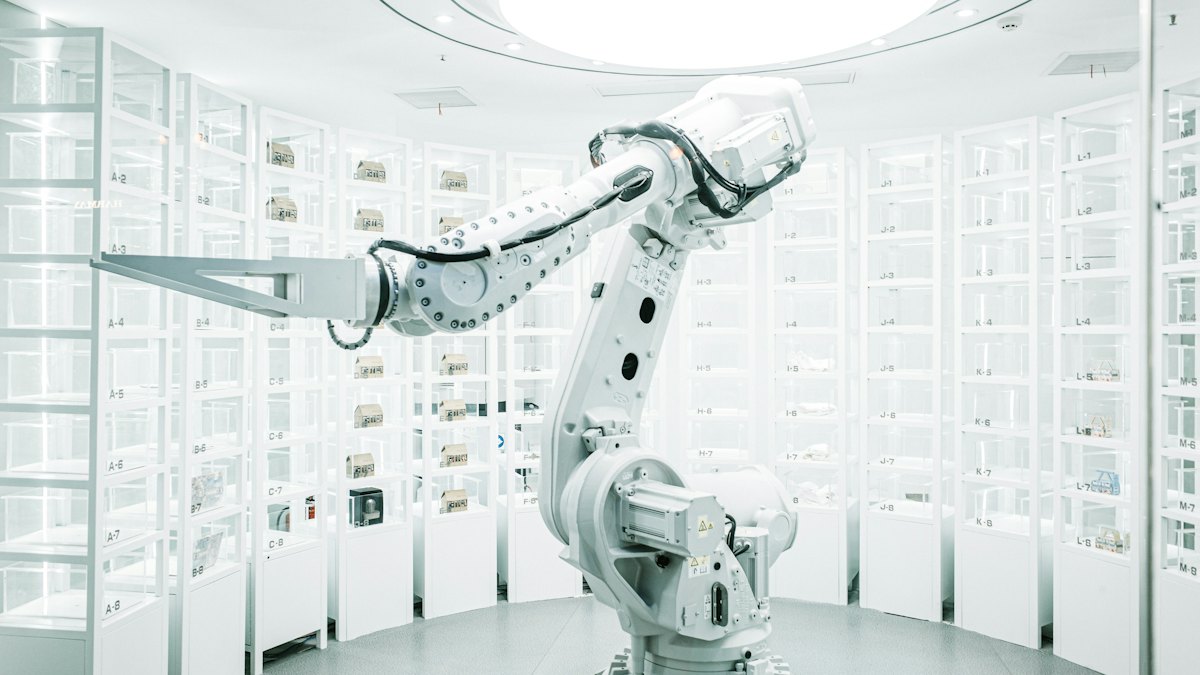
In the ever-evolving landscape of taxation, the integration of technology has been a game-changer, redefining how we approach tax preparation. Artificial intelligence (AI) and automation have emerged as powerful tools that are reshaping the tax industry, making it more efficient, accurate, and accessible to both accountants and clients. In this blog post, we will explore the exciting advancements in the world of tax preparation, and how AI and automation are at the forefront of this transformation.
The Rise of AI in Taxation:
Artificial intelligence, often referred to as AI, is no longer a buzzword but a tangible force in the world of taxation. It's transforming how accountants and individuals handle their tax obligations. Here are some key aspects of AI in taxation:
1. Efficient Data Analysis: AI algorithms can sift through vast amounts of financial data in seconds, significantly reducing the time required for data entry and organization. This not only saves time but also minimizes the potential for human errors.
2. Predictive Analytics: AI can predict tax liabilities more accurately by analyzing past financial data and considering various tax scenarios. This allows for more informed decisions and planning.
3. Tax Compliance: AI can stay updated with ever-changing tax regulations, ensuring that tax filings are in compliance with current laws, reducing the risk of audits and penalties.
The Role of Automation in Tax Preparation:
Automation is another critical element that is streamlining tax preparation processes:
1. Data Collection: Automation tools can collect financial data from various sources, such as bank accounts, payment processors, and expense management software. This reduces the manual effort required to gather and organize financial information.
2. Data Entry and Validation: Automation software can input data into tax forms accurately and perform data validation checks in real-time, reducing the potential for errors.
3. Faster Filing: With automation, tax returns can be filed faster, leading to quicker refunds for clients and businesses.
The Benefits of AI and Automation in Tax Preparation:
1. Increased Efficiency: AI and automation reduce the time and effort required for tax preparation. This allows accountants to focus on more complex and strategic aspects of their work.
2. Accuracy: With reduced manual data entry and the ability to catch errors in real-time, the accuracy of tax returns is greatly improved.
3. Cost Savings: Automation can lead to cost savings for both accountants and clients, as less time is spent on administrative tasks.
4. Better Client Experience: Clients benefit from faster and more accurate tax preparation, leading to increased satisfaction and loyalty.
Conclusion:
The future of tax preparation is here, and it's characterized by the integration of AI and automation. These cutting-edge technologies are not replacing accountants but are enhancing their capabilities, enabling them to provide more efficient and accurate services. As an accounting firm, embracing AI and automation in your tax preparation processes can offer you a competitive edge, allowing you to serve your clients better and stay at the forefront of the industry.
Stay tuned for more updates on the latest trends in taxation and finance, as we continue to explore the ever-evolving landscape of financial technology and its impact on the world of accounting. If you have any questions or need assistance in adopting AI and automation in your tax preparation practices, feel free to contact us. We're here to help you navigate the exciting future of tax preparation.
This article is general information, not tax advice for your situation. Contact us to talk through how it applies to you.
Questions about how this affects you?
Tell us about your situation in a short questionnaire, or call (973) 813-5933.